Инвестируйте с умом: используйте данные для принятия решений
Превратите данные в полезные инсайты с помощью профессиональных и простых в использовании инструментов.

Индикаторы, используемые лучшими квантовыми фондами
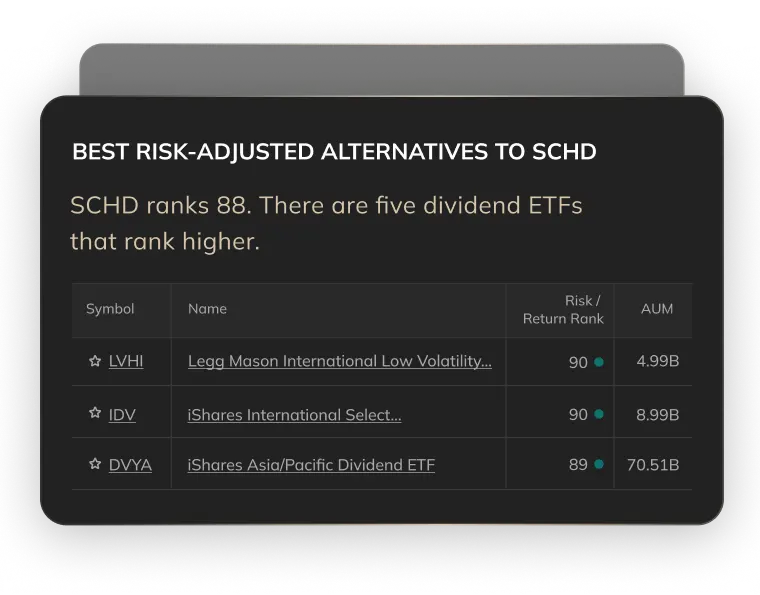
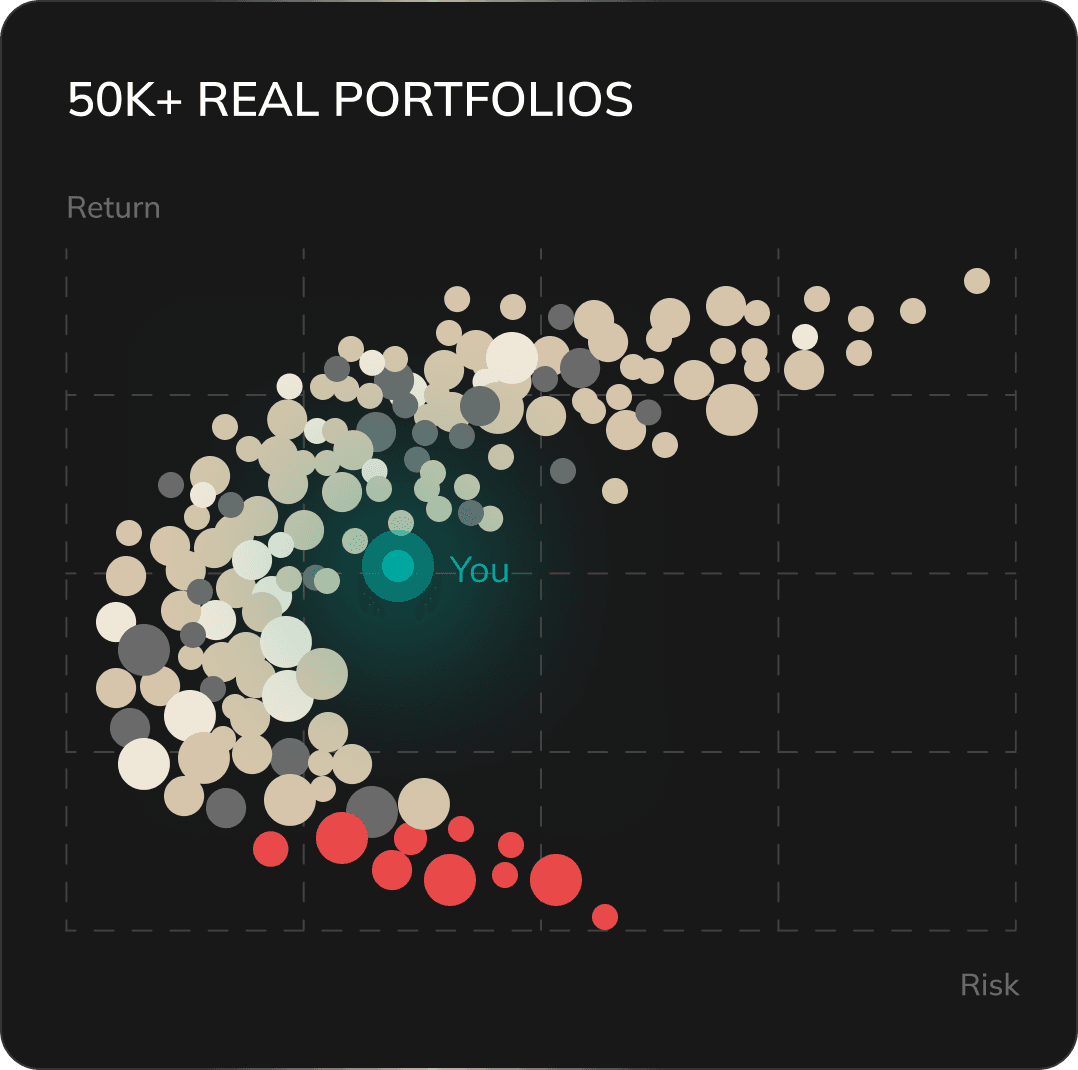
Анализ рисков, прибыльности и дивидендов
Простой интерфейс для новичков, продвинутые функции для экспертов
Простые решения для повседневных задач
Индикаторы, используемые лучшими квантовыми фондами
Анализ рисков, прибыльности и дивидендов
Простой интерфейс для новичков, продвинутые функции для экспертов
Простые решения для повседневных задач
Упростите накопление капитала для вас и ваших клиентов.
Для энтузиастов
Индикаторы, используемые лучшими квантовыми фондами
Профессиональный анализ вместо сырых данных
Простой сервис, не требующий специальных знаний
Принимайте решения, учитывая не только доход, но и возможные риски
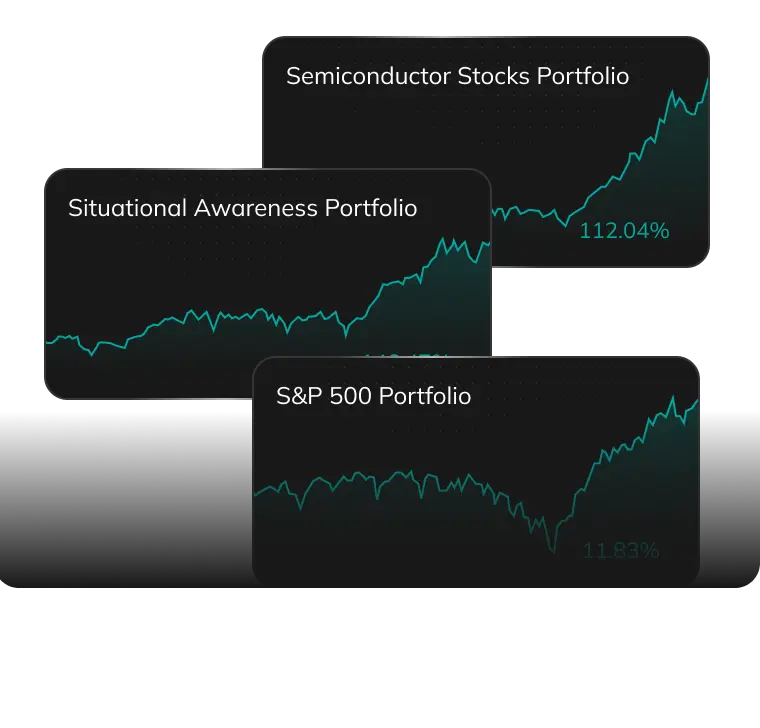
Находите идеи для инвестиций в наших ленивых портфелях и разнообразных портфелях сообщества


Для энтузиастов
Индикаторы, используемые лучшими квантовыми фондами
Профессиональный анализ вместо сырых данных
Простой сервис, не требующий специальных знаний
Принимайте решения, учитывая не только доход, но и возможные риски
Находите идеи для инвестиций в наших ленивых портфелях и разнообразных портфелях сообщества

Для управляющих фондами
Управляйте всеми данными в одном месте
Импортируйте свои данные в PortfoliosLab
Экспортируйте любые данные для использования во внешних системах
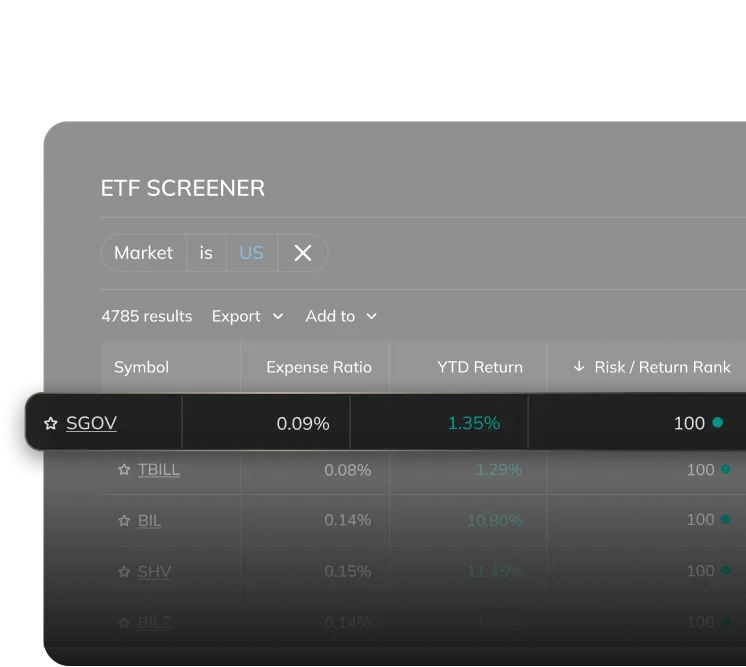
Используйте сотни настроек скринеров
Работайте с большими портфелями (до 500 позиций) и управляйте своими данными
Получайте доступ к индикаторам на основе последних исследований

Для консультантов
Расширяйте свой бизнес и привлекайте больше клиентов
Создавайте убедительные презентации для привлечения новых клиентов с помощью детального анализа
Создавайте и демонстрируйте стратегии для различных инвестиционных целей
Поддерживайте и оптимизируйте портфели клиентов с помощью профессиональных инструментов
Создавайте отчеты в несколько кликов

Более 20 инструментов для получения точных инсайтов
Анализируйте рыночные тренды, акции, фонды и любые их показатели за последние 40+ лет.
Оптимизация
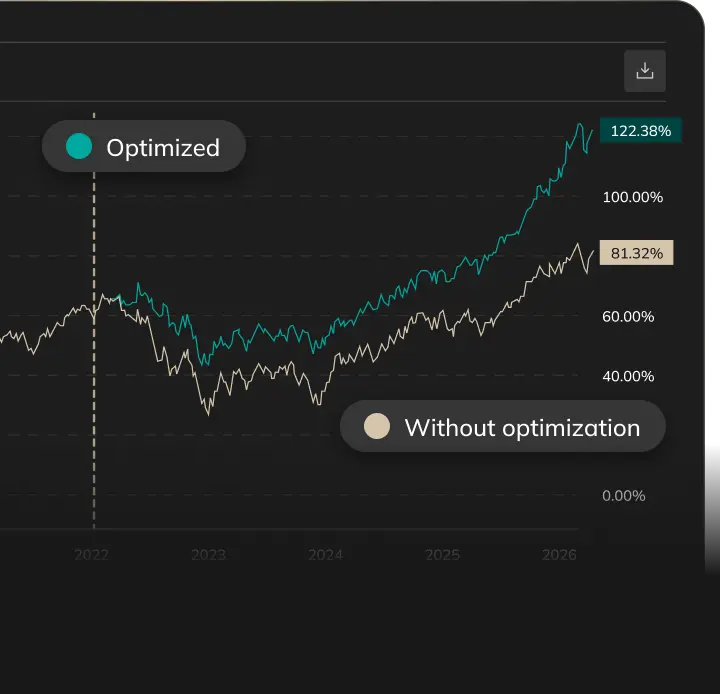
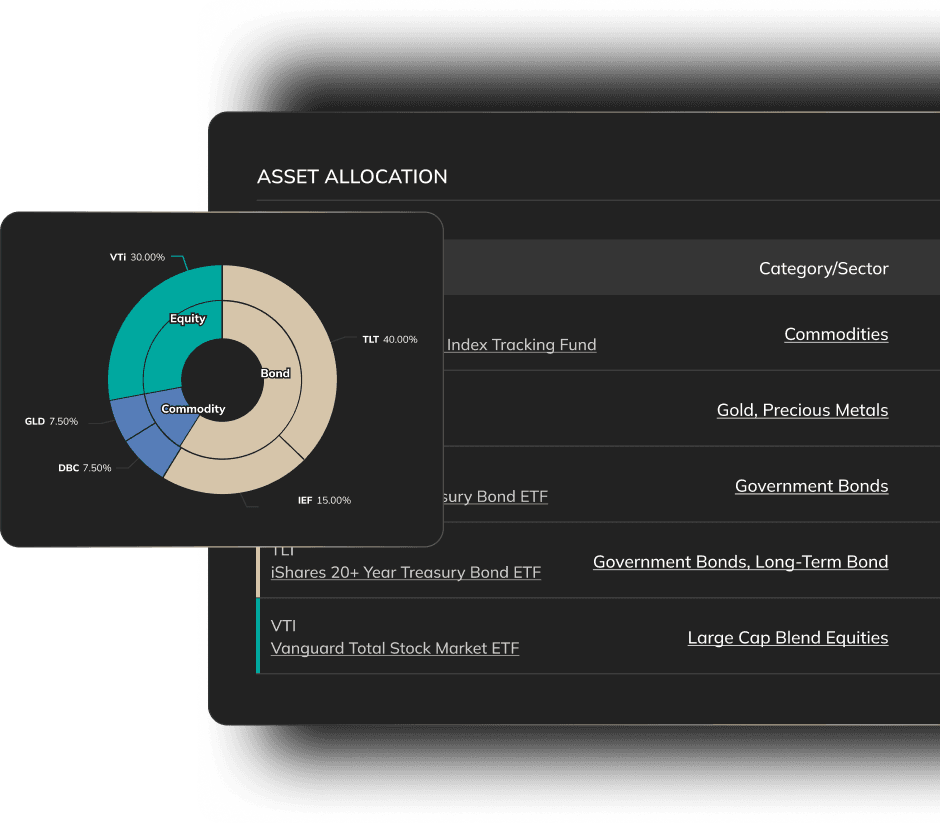
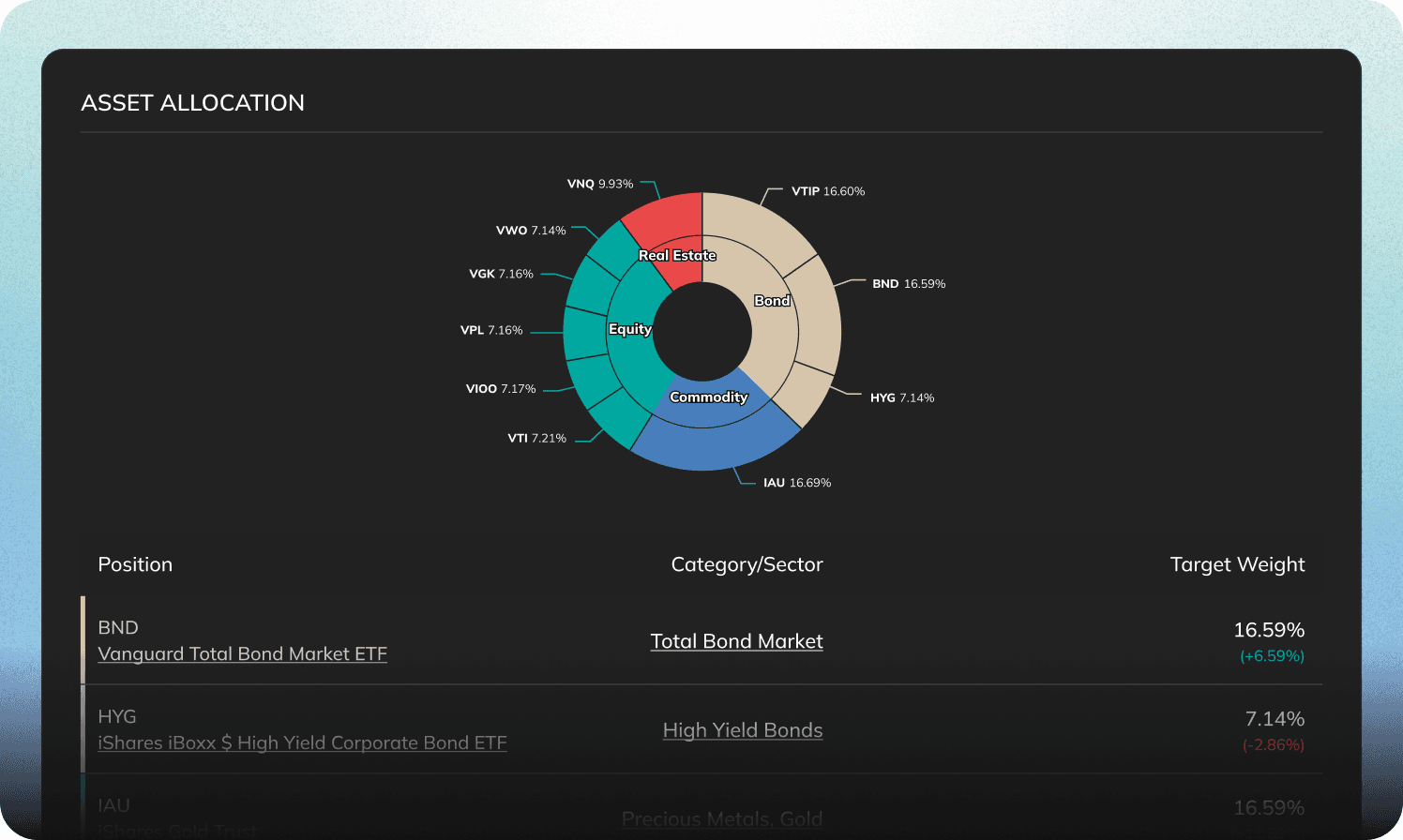
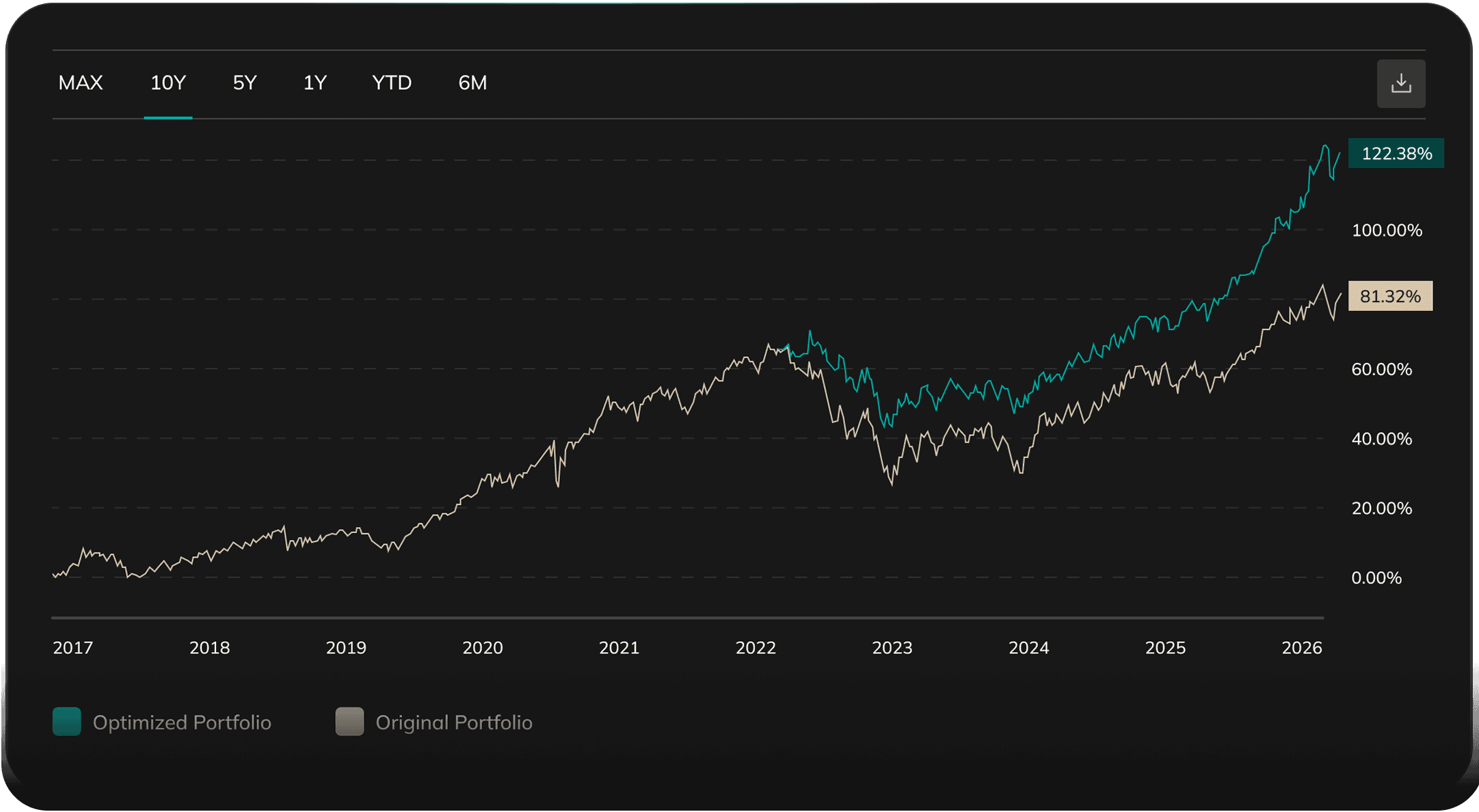
Увеличивайте доходы своего портфеля и снижайте риски. Находите правильное распределение активов в соответствии с вашими целями.
Анализ доходности
Визуализируйте прибыль или убытки портфелей и оценивайте их реальную прибыльность относительно риска.

Анализ рисков
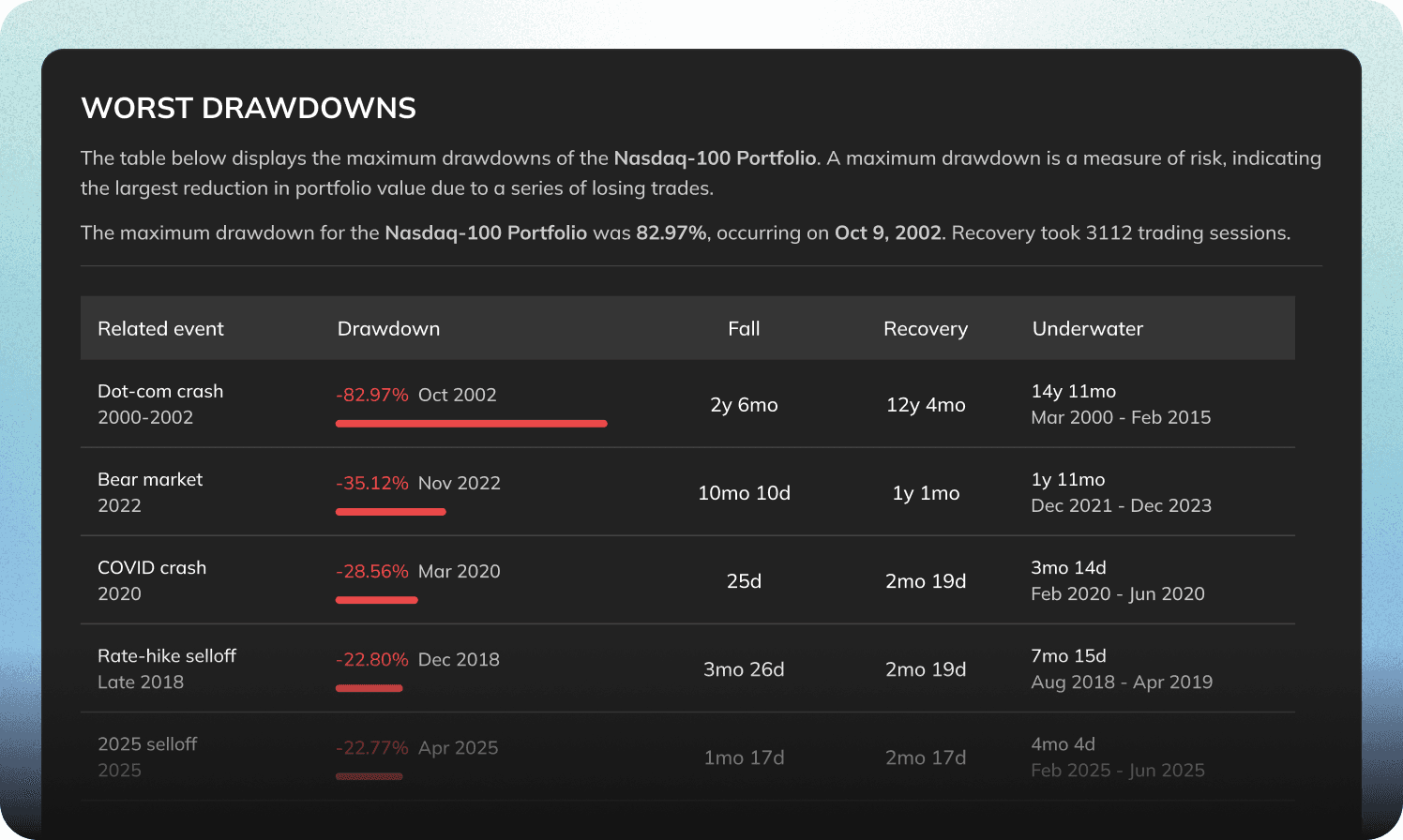
Оценивайте волатильность акций с помощью девяти различных инструментов, включая анализ просадок, риск-скорректированной доходности и многое другое. Снизьте вероятность внезапных убытков и в конечном итоге улучшите доходность вашего портфеля.


Сравнивайте акции и принимайте решения за секунды
Сравнивайте ключевые показатели акций и подсвечивайте важные детали с помощью графиков.

Учитесь у лучших инвесторов

Популярные портфели дня

Создайте свой личный инвестиционный центр

Загружайте и сохраняйте портфели
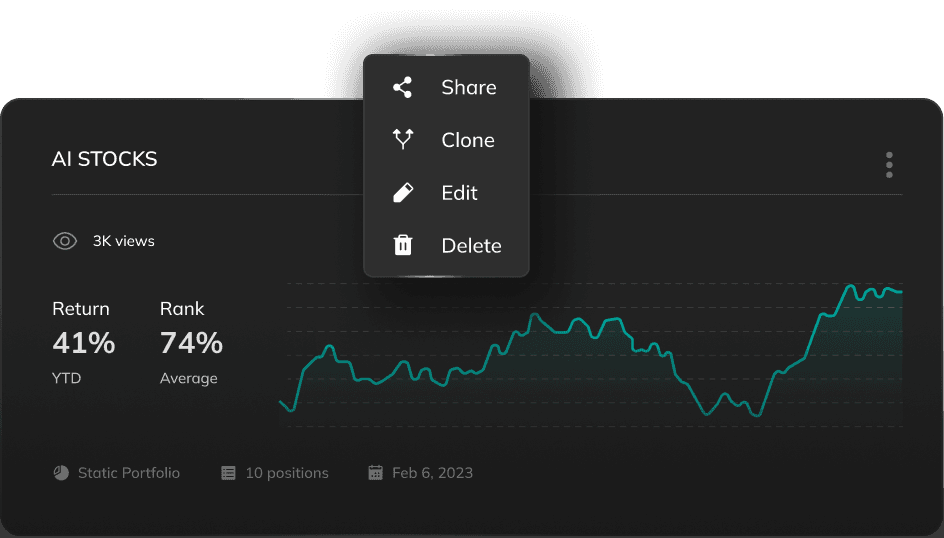
Сохраняйте портфели, которые вы часто используете, чтобы ускорить свою работу

Настраивайте собственные скринеры
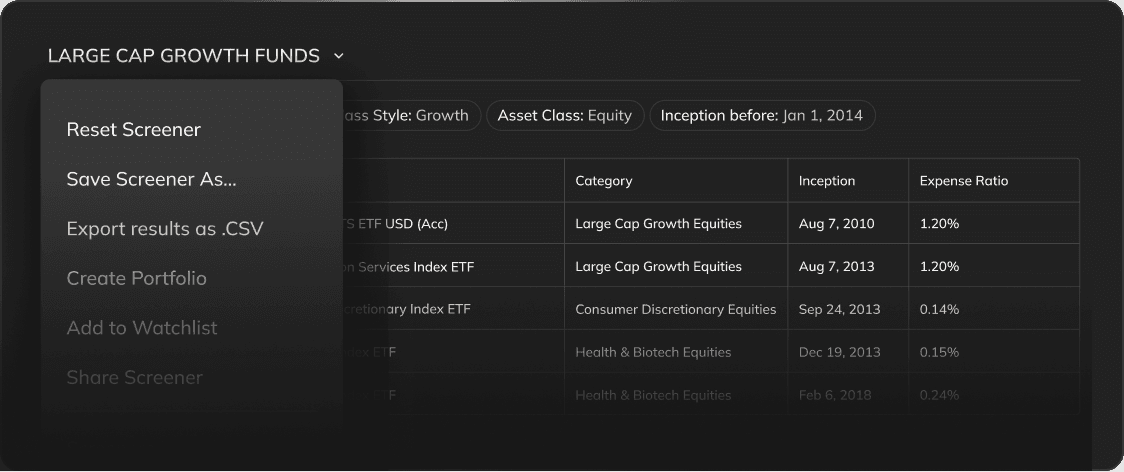
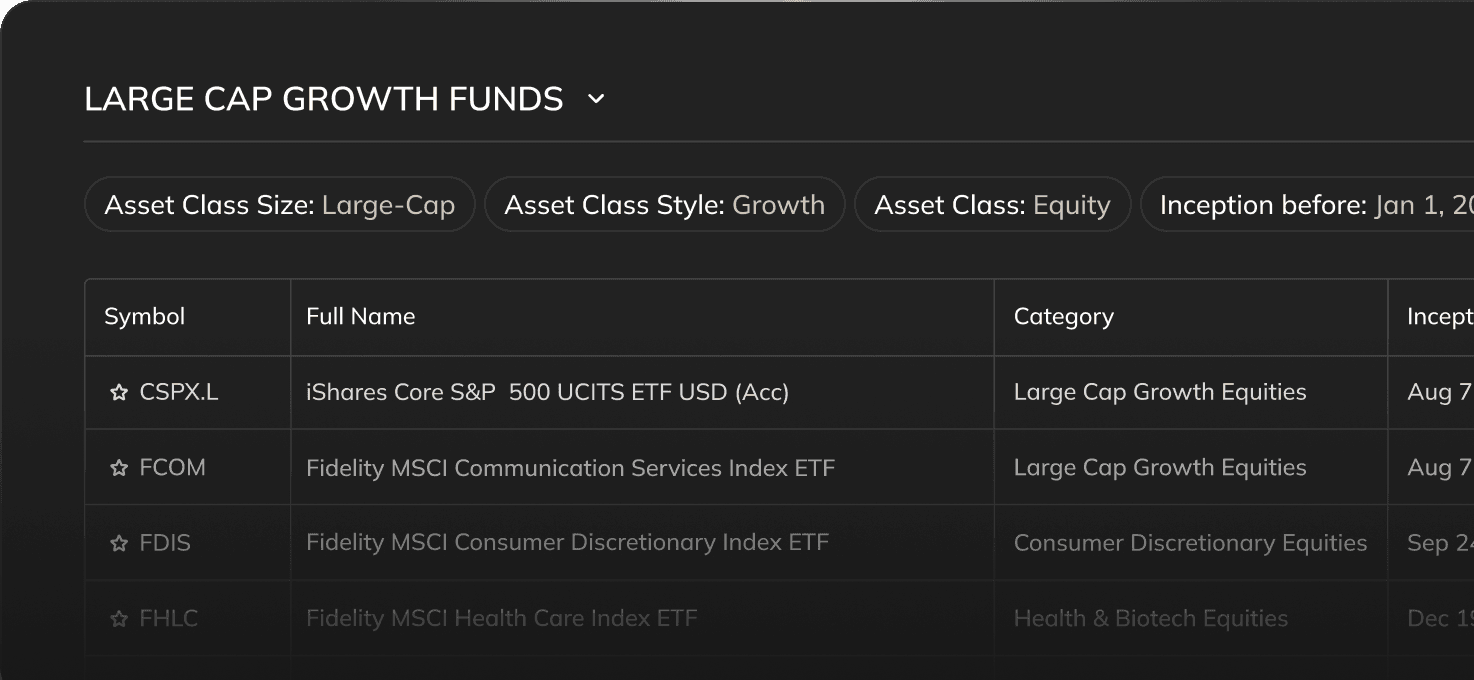
Настраивайте и сохраняйте скринеры, которые лучше всего подходят вам

Сохраняйте до 10 списков

Сохраняйте компании в списки, чтобы отслеживать их динамику


Попробуйте новые возможности платформы
Многие из наших лучших обновлений появились благодаря предложениям пользователей. Ищете функцию, которой у нас еще нет? Поделитесь своими идеями, чтобы мы могли сделать ваш опыт еще лучше!
05 июня 26 г.
New: Copy PortfoliosLab Pages for ChatGPT or Claude
PortfoliosLab pages can be dense. A symbol or portfolio analysis may include returns, drawdowns, risk-adjusted ratios, benchmark metrics, dividends, correlations, and much more. That is useful data, but it is not always easy to interpret or turn into a clear next question.
We added Copy for AI to make that workflow simpler.
What we added
Symbol pages, portfolio pages, and stock comparison pages now include a Copy for AI button. It turns the current page into clean markdown context that you can paste into ChatGPT, Claude, or another AI chat.

The copied output is structured for analysis rather than screenshots. It includes labeled sections, exact metric names, date ranges, benchmark settings, and tables where the data needs to be compared side by side.
That matters because AI tools are much more useful when they are grounded in the actual numbers. Without providing exact context to AI, you can never tell if it's guessing or not. If the model does not know the benchmark, time period, risk-free rate, drawdown history, or correlation data, it may fill in the gaps. So instead of asking a model to infer from a screenshot or a few manually typed metrics, you can give it the full analytical context and ask a sharper question.
It also makes PortfoliosLab analysis more interactive. You can start with the platform's calculations, then use AI to explore the interpretation: what changed, what looks fragile, what is redundant, and what scenario would hurt the portfolio most.
What you can ask
Copy for AI is useful when you want a second pass on the data. You can ask it to explain a metric, challenge a thesis, compare trade-offs, or stress-test a portfolio against a specific scenario.
For example, after copying a semiconductor ETF page, you might ask why a one-year Sharpe ratio looks exceptional while the all-time Sharpe ratio is much lower. After copying a portfolio, you might ask whether ten holdings are genuinely diversified or mostly one sector bet. After copying a stock comparison, you might ask whether the extra return is worth the extra drawdown and volatility.

You can also check documentation page with prompt examples and sample copied output.
Availability
Copy for AI is available on Plus and Pro plans.
21 мая 26 г.
New: Portfolio Diversification Analysis
Portfolio diversification is easy to talk about and hard to measure.
Most portfolios look diversified on the surface. A few ETFs, maybe some stocks, maybe a bond fund. But once you look at how the positions actually move together, the picture often changes. Five holdings can behave like two bets. A "defensive" position can stop hedging when rates move. Two ETFs with different names can be almost the same exposure.
We built Diversification Analysis to make that visible.
What we added
The new tool analyzes your whole portfolio, not just one symbol at a time. It looks at correlations between positions, effective asset count, diversification ratio, portfolio clusters, and low-correlation candidates you can add.

The first thing you see is a plain-English summary of the portfolio. It names the specific positions that are helping or hurting diversification, and explains the trade-off in normal language. Metrics are useful, but sometimes you need the tool to say: these three holdings are mostly doing the same job.
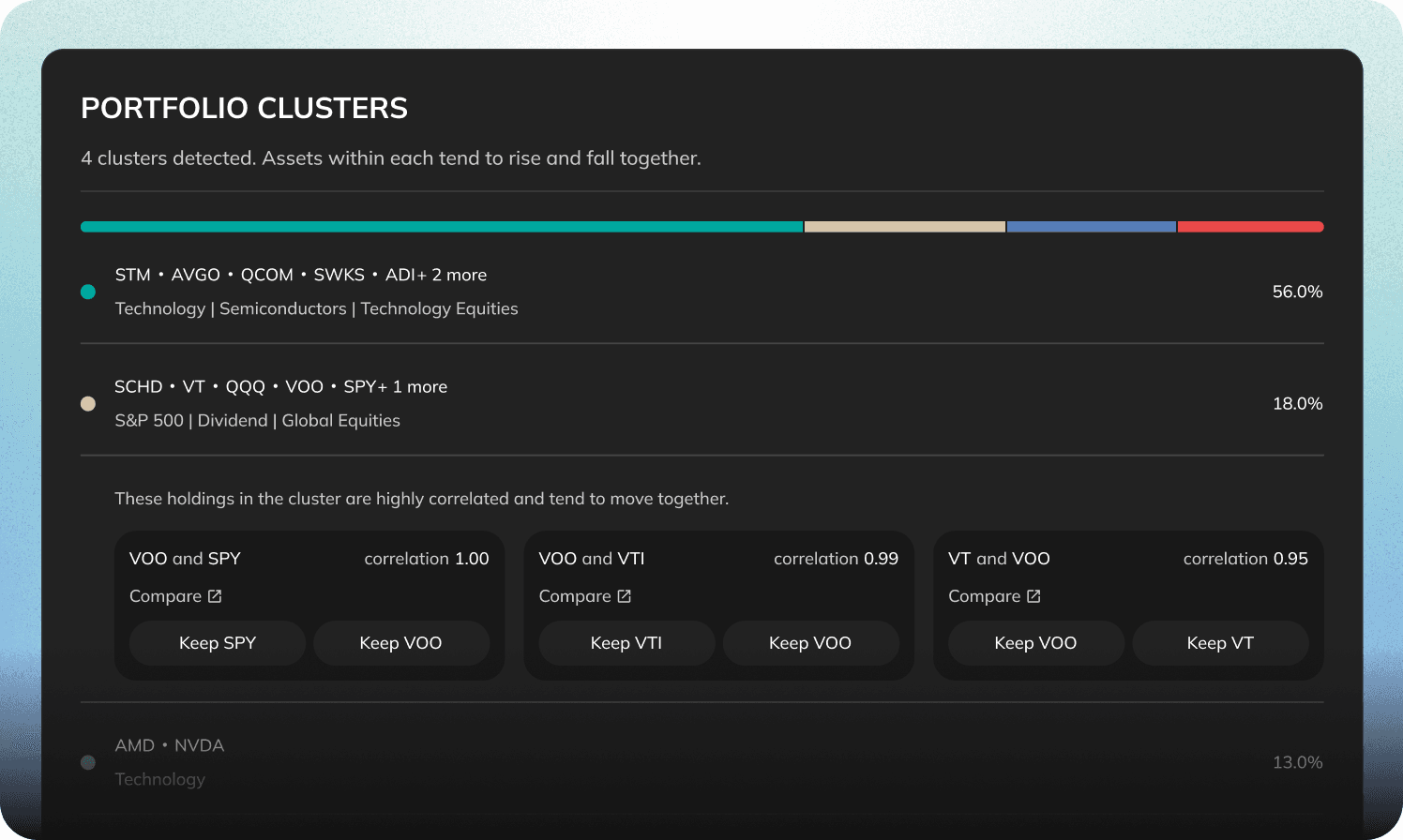
Below that, the tool groups positions into correlation clusters. This is where redundant holdings become obvious. If a portfolio has several large-cap growth ETFs, they may sit in the same cluster even if their issuer, name, and category labels are different.

We also added diversification metrics across multiple periods. Effective asset count shows how many independent bets your portfolio really has. Diversification ratio shows how much volatility reduction you get from combining the assets. Seeing those numbers over 1Y, 3Y, 5Y, 10Y, and all-time helps catch drift. A portfolio can become less diversified without any transaction, simply because correlations changed.
New candidates, not generic lists
The tool now surfaces ETF and stock candidates that historically moved differently from your current holdings.
This is not a generic "top ETFs" list. Candidates are filtered by correlation to the actual portfolio, then by quality. For ETFs we avoid inverse and leveraged products and require meaningful assets under management. For stocks we focus on larger companies and include risk / return rank, so the list is not just "lowest correlation at any cost."

You can add a candidate directly into the portfolio input, rerun the analysis, and see what changed. That makes the workflow much more practical. Instead of guessing whether a commodity ETF, short-duration bond ETF, or defensive stock helps, you can test it against the current portfolio structure.
Why this matters for optimization
Portfolio Optimization works better when the input universe is sane.
If you feed an optimizer five highly correlated ETFs, it can still produce nice-looking weights. But the result may be mostly a reshuffle of the same exposure. The optimizer is not magic. It can only choose from the assets you give it.
Diversification Analysis helps before optimization. Use it to remove duplicates, spot clusters, and find candidates with genuinely different return drivers. Then run optimization on a cleaner universe.
This creates a better workflow:
- Start with Diversification Analysis.
- Remove obvious overlap.
- Add a few low-correlation candidates.
- Run Portfolio Optimization.
- Validate the optimized result with walk-forward backtesting.
That sequence is more useful than optimizing first and trying to explain the result afterward.
A few ways to use it
You have a 3-5 ETF portfolio and want to know what is missing. Run Diversification Analysis, look at the clusters, then check ETF candidates. If all holdings behave like equity beta, the tool will usually make that obvious.
You are preparing a portfolio for optimization. Before running HRP, Risk Parity, or Mean-Variance Optimization, use the clusters to remove duplicates and add assets with different behavior. The optimization result should be more stable because the input set is better.
You are reviewing an existing allocation after market conditions changed. Correlations are not fixed. The 1Y view may show that a hedge is no longer doing what you expected, while the longer windows show whether this is temporary or structural.
Try Diversification Analysis with your portfolio
26 апреля 26 г.
New: Diversifier Pages for ETFs and Mutual Funds
You know you should diversify. But finding what actually moves differently from what you already own has always been surprisingly hard. We added Diversifiers to help with that.
What we added
Every ETF and mutual fund on PortfoliosLab now has a Diversifiers page. Open a fund (for example, SMH) and you can see ETFs, mutual funds, and individual stocks that historically moved differently from it.

The page focuses on correlation across 1-year, 3-year, and 5-year windows. That matters because correlation is not fixed. Two assets can look independent over one period and start moving together later. Seeing several time windows helps you spot whether a diversifier is stable, improving, or becoming less useful.
Each page includes a data summary highlighting how many low-correlation funds exist for a given symbol, which asset categories dominate the list, and whether correlations are strengthening or weakening over time. For example, SMH currently has 73 ETFs with low correlation, 13 of which are negatively correlated — and the results go well beyond the obvious bond funds. Scroll past the treasuries and you will find oil, commodities, shipping, energy equities, and dividend funds that all move independently from semiconductors.
Low correlation alone is not enough. A fund can appear uncorrelated simply because it is poorly managed or drifting from its benchmark. Every result on the Diversifiers page includes PortfoliosLab's Risk / Return Rank, which scores funds on risk-adjusted performance. That way you are looking at assets that move differently and are still worth owning on their own.
For stocks, we show U.S. companies with at least $1B market cap that move independently from the fund you are researching, together with sector context and the same Risk / Return score.
Behind the scenes, we recalculate millions of correlation pairs daily across 3,000+ ETFs, mutual funds, and large-cap stocks. Every page reflects the latest available data, not a static snapshot.
Why this matters
Having many positions is not the same as being diversified.
You can hold five large-cap growth ETFs and still have one big bet. You can add another fund that looks different by name, but behaves almost exactly like what you already own. Your broker will show another line in the account. It will not tell you whether the new position actually reduces portfolio risk.
Diversifiers starts from the asset you already know and answers the next question: what can I pair with this that brings a different return driver?
That is useful when you are building a long-term portfolio and want fewer assumptions. Not "I think this should diversify me", but "this has historically moved differently, and I can see how stable that relationship has been."
A few ways to use it
Complement a core holding. You hold a broad U.S. equity ETF and want to add something that is not just another version of the S&P 500. Open its Diversifiers page and look for funds with consistently low correlation across multiple periods.
Find independent stock ideas. You want stocks that behave differently from a fund you own. Use the low-correlation stocks table as a starting point, then compare anything interesting before adding it to your portfolio.
Already checked a fund's Alternatives? Diversifiers answer the opposite question — not what to swap, but what to pair.
Availability
Diversifier pages are live for every ETF and mutual fund on PortfoliosLab. Free users can preview the top results. Pro users get full ranked lists with correlation trends across 1Y, 3Y, and 5Y.
Try it now: SMH Diversifiers →

Недавно добавленные тикеры
НАЧНИТЕ СЕГОДНЯ, ЧТОБЫ ПОЛУЧИТЬ ПРИБЫЛЬ ЗАВТРА
Легко получайте доход выше рынка
Упростите и ускорьте свой рабочий процесс
Используйте актуальные данные на основе последних исследований
Будьте уверены в своих инвестиционных решениях